
We’ve introduced PHP version 8.3 to our staging sites. Test out new features, code changes, and updates on the latest PHP version without affecting your live website.
Update PHP confidently
PHP updates can break things on sites without warning. Test a PHP update thoroughly on a staging site first, and then switch confidently between PHP versions according to your site’s needs.
PHP 8.3 also comes with performance improvements, which are now available during your testing phase. Faster execution times in the staging environment translate to more efficient development cycles and quicker turnarounds for updates.
Flexibility across PHP versions
PHP 8.3 support for staging sites is also a significant step towards offering you enhanced flexibility and control. Now, switch effortlessly between different PHP versions according to your specific needs or to test compatibility.
For instance, you might be running your live website on PHP 7.4 for its stability, but you could choose to test PHP 8.3 on your staging environment to take advantage of new features or improved performance. This ensures you can stay ahead of technology curves while maintaining a stable and secure live environment.
Check plugin behavior
Even the smallest changes can have unexpected consequences. Before installing a plugin on your live site, check out its performance on staging first. Do this, especially for larger or heavier plugins. This means you can ensure compatibility and performance before making changes on your live site.
How to access PHP 8.3 for your staging site?
To clone your live site in PHP 8.3 in just a few clicks, here’s a simplified run-through:
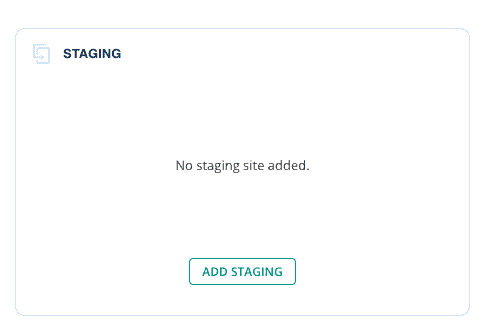
1. Create a staging site: Initiate a staging environment directly from your dashboard by clicking on Add Staging.
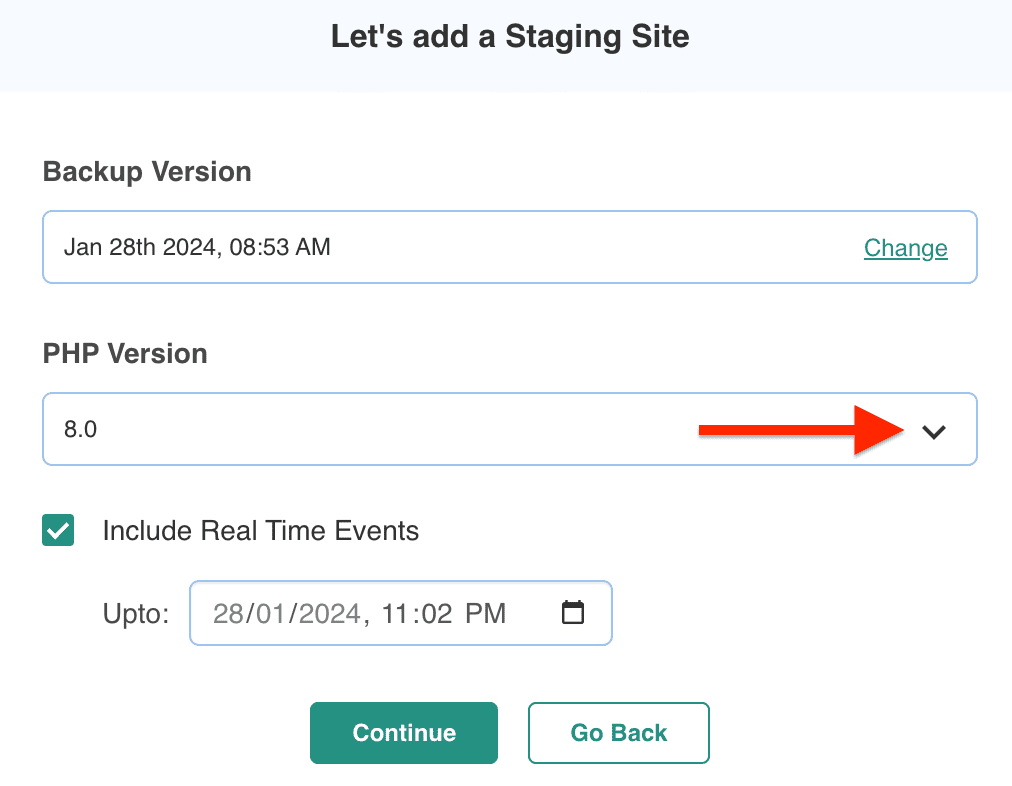
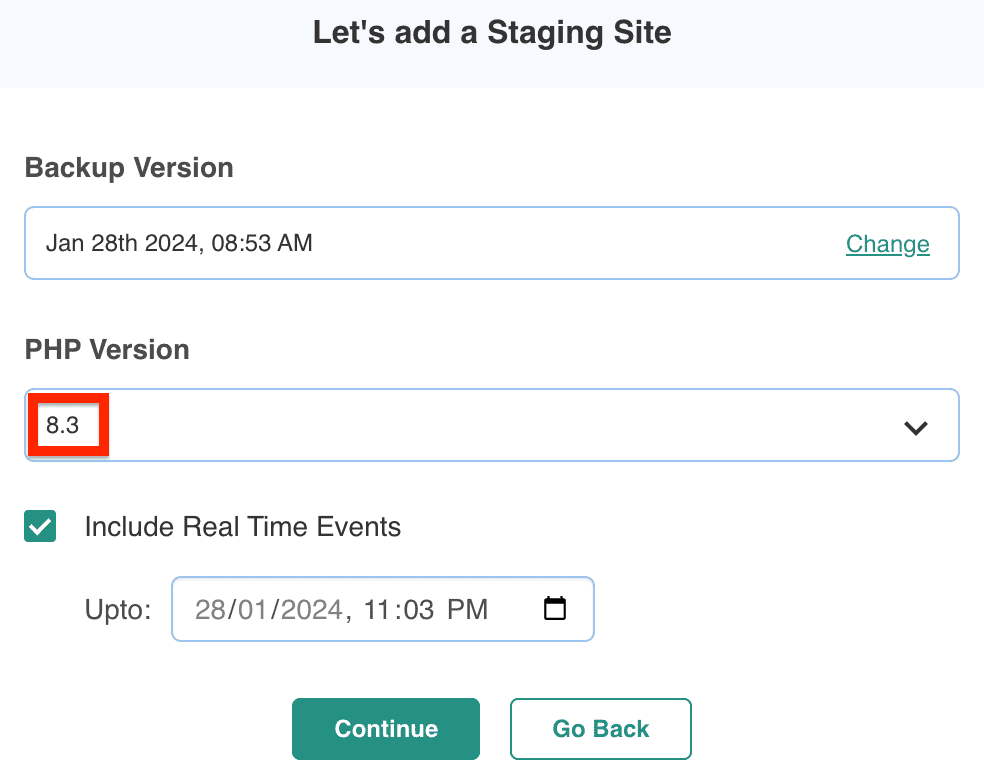
2. Switch to PHP 8.3: Click on the dropdown menu and select PHP 8.3.
3. Start testing: Click on Continue and you are ready to use the latest PHP version on your staging site.

Anurag traded algorithms for adverbs when he switched from being a software engineer to being a writer. Editor by day, he chases F1 by night!