You’ve got your new WordPress site up and running, but now you’re drowning in conflicting advice about SEO plugins.
The SEO Framework vs Rank Math debate is everywhere. Half the internet swears by SEO Framework’s simplicity, while the other half raves about Rank Math’s features.
You just want a straight answer about which plugin will actually help your site rank without making you question every decision. Let us save you from another week of research rabbit holes. Here’s the honest breakdown you need.
TL:DR: Choose Rank Math for a powerful, all-in-one toolkit or The SEO Framework for a fast, automated approach. Always use a backup plugin before making the switch to safeguard your site from plugin conflicts that could break your site.
SEO Framework vs Rank Math at a glance

I. Setup and ease of use
Your first five minutes with a plugin often tells you everything you need to know. This is where SEO Framework and Rank Math couldn’t be more different.
With The SEO Framework, activating the plugin is almost anticlimactic. It just works. There’s no setup wizard because its default settings are already configured for SEO from the start.
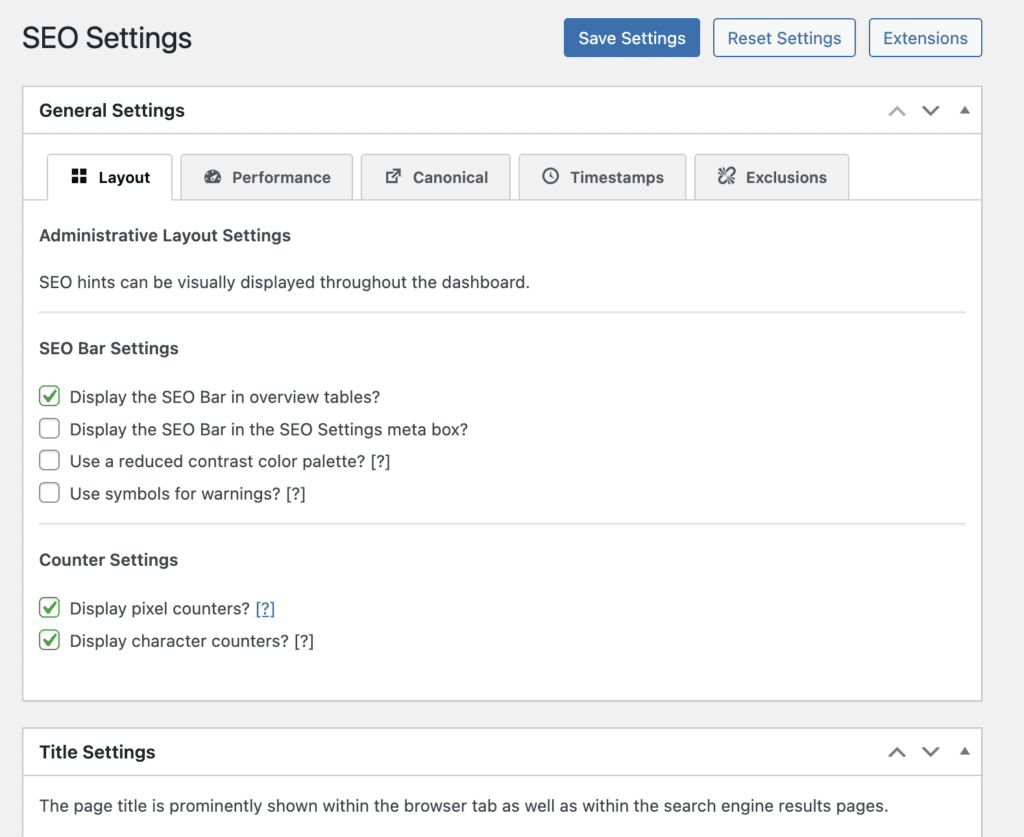
The interface is clean and stays out of your way, which keeps your site incredibly fast and lightweight. It’s built on the idea that good SEO shouldn’t be distracting.
Rank Math, on the other hand, greets you with a step-by-step setup wizard. It holds your hand through connecting your site to Google services, setting up sitemaps, and tweaking basic settings. Its interface is much more interactive, offering suggestions and checklists right in the post editor.
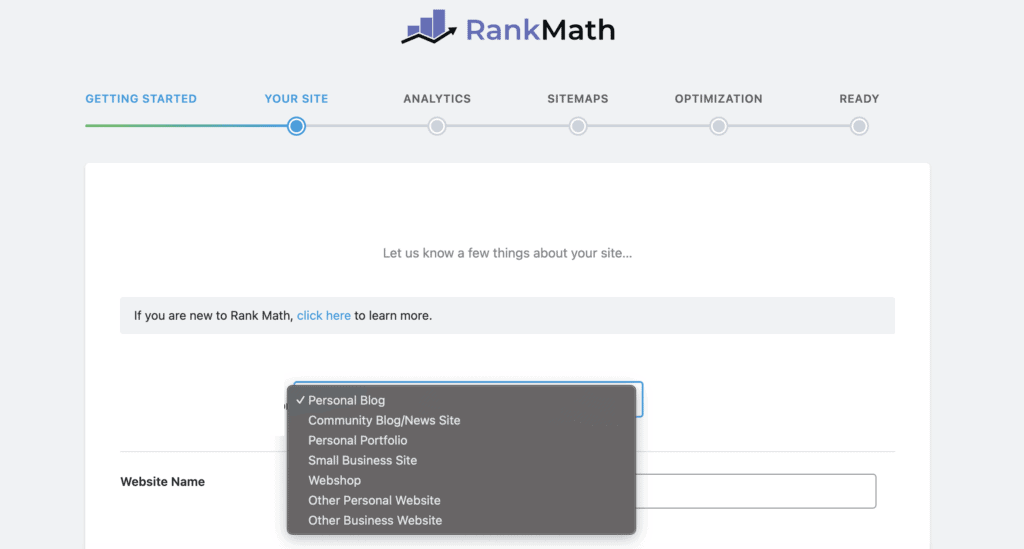
You can also turn different features on or off, and its one-click tool for migrating from other plugins is a huge help.
II. On-page SEO analysis
The SEO Framework plugin automatically generates essential meta tags and gives you simple, color-coded guidelines to show if your post is generally on the right track.
It doesn’t nag you with checklists or scores. The whole idea is to let you focus on writing for your readers, trusting that the plugin is handling the technical SEO basics in the background. You won’t find deep content analysis or readability scores here; it assumes you know your audience best.

Rank Math is the complete opposite. Just like All in One SEO, Rank Math gives your content a score from 0 to 100 and a detailed checklist of what to fix, from keyword density to readability.
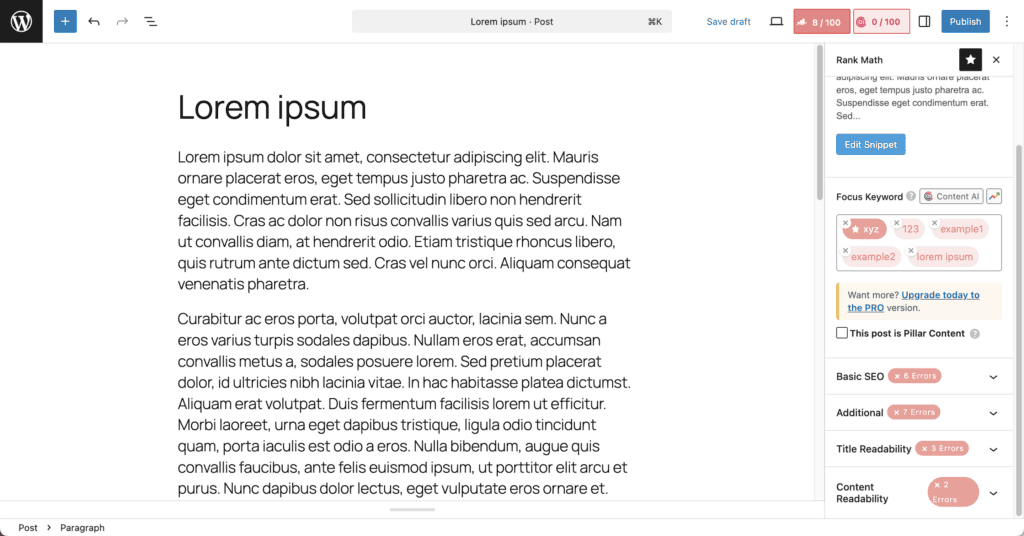
If you’re a data person, you’ll love the fact that it can track multiple keywords, and its Content AI feature gives real-time tips to improve your writing for search engines.
III. Schema markup
Schema markup is the behind-the-scenes code that helps Google understand what your content is about. This can earn you those eye-catching rich snippets in search results (think star ratings or FAQ dropdowns). How each plugin handles this is a major point of difference.
The SEO Framework automates the essentials. It correctly adds the most important schemas, like for articles and your organization, without you ever having to touch a setting. The code is incredibly clean and fast.
The downside? If you want to add more specific types, like for a recipe or local business, you’ll need an extension or have to add the code yourself.
Rank Math gives you a complete schema workshop. Its free version includes a powerful schema generator with over 20 pre-built types for almost any content you can imagine.
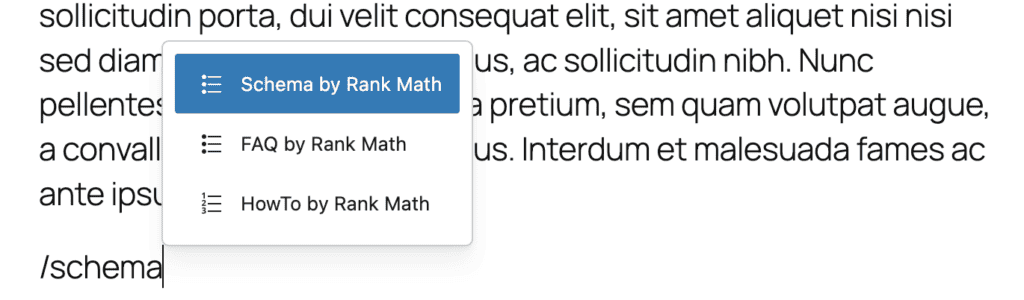
Its visual editor makes it easy for anyone to add custom schema, even combining multiple types on one page. It’s built for people who want total control over how their content appears in search results.
IV. Local SEO
If you run a local business, like a coffee shop or a plumbing service, showing up in local search results is everything. This is one area where the plugins have a night-and-day difference in their approach.
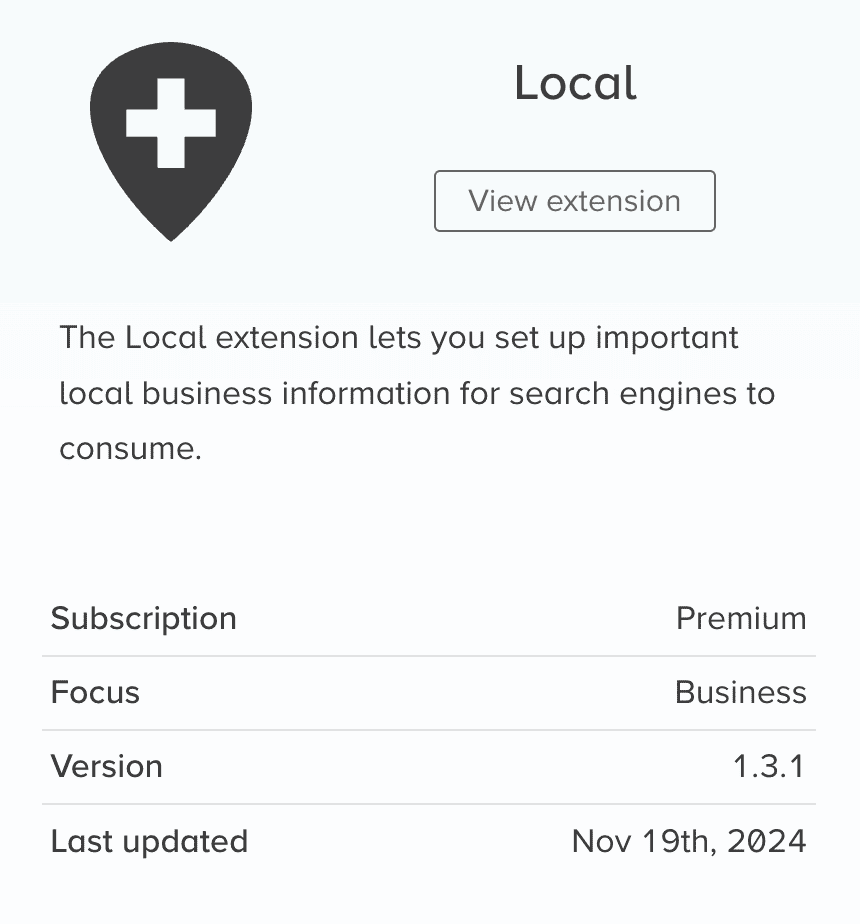
With The SEO Framework, local SEO is not part of the core plugin. To get essential features like local business schema, you need to buy a paid extension. This keeps the main plugin exceptionally lean for everyone else, but it means a brick-and-mortar business has to pay extra for what many consider a basic function.
Rank Math includes a dedicated Local SEO module in its free version. Right away, you can add your business information, set up your local business schema, and start optimizing for the “near me” searches that drive foot traffic.
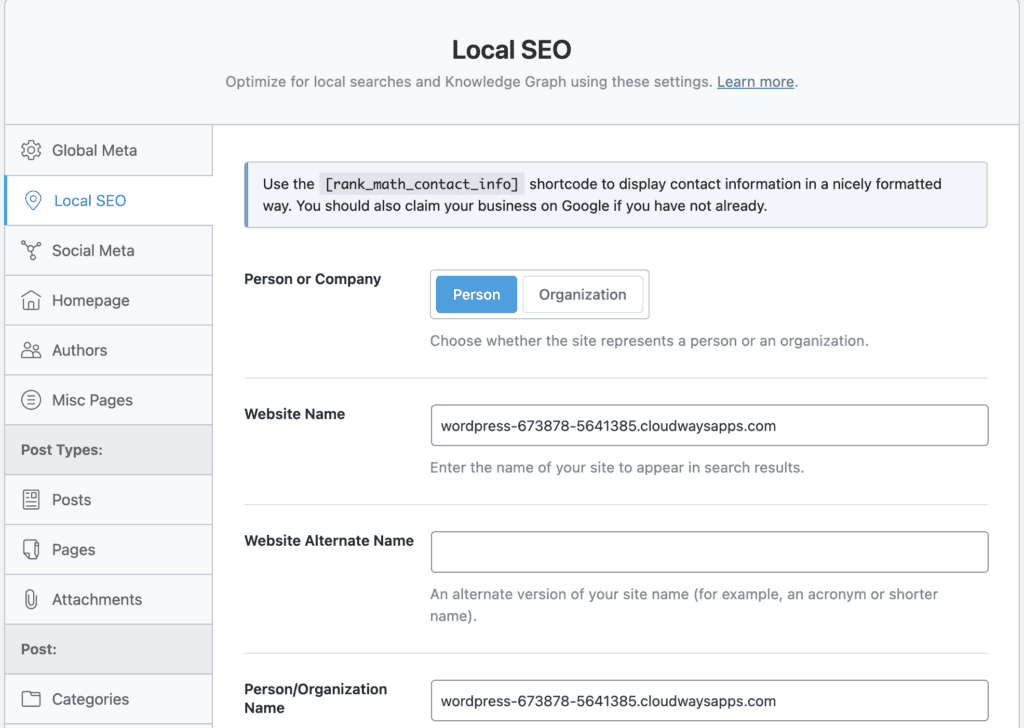
For businesses with multiple locations, you can upgrade to the Pro version, but a single-location shop gets everything it needs for free.
V. WooCommerce SEO
Selling products online has its own set of SEO rules. How these plugins handle your WooCommerce store is a huge factor for any e-commerce business.
The SEO Framework continues its minimalist approach here. The free plugin will handle basic metadata for your products, but that’s about it. If you want crucial e-commerce features like advanced product schema, you need to buy their paid extension. This keeps the core plugin lean, but it’s a significant extra cost for store owners.
Rank Math, again, packs everything into one box. Its free version includes a dedicated and surprisingly robust WooCommerce SEO module. It automatically adds advanced product schema, provides SEO analysis right on your product pages, and even helps optimize product images.

VI. Technical SEO
The SEO Framework automatically generates a lean, efficient sitemap the moment you activate it. It includes your core content and purposely leaves out things like category pages to make it faster for search engines to crawl. It’s a perfect example of its “set it and forget it” philosophy; it just works, and it works well.
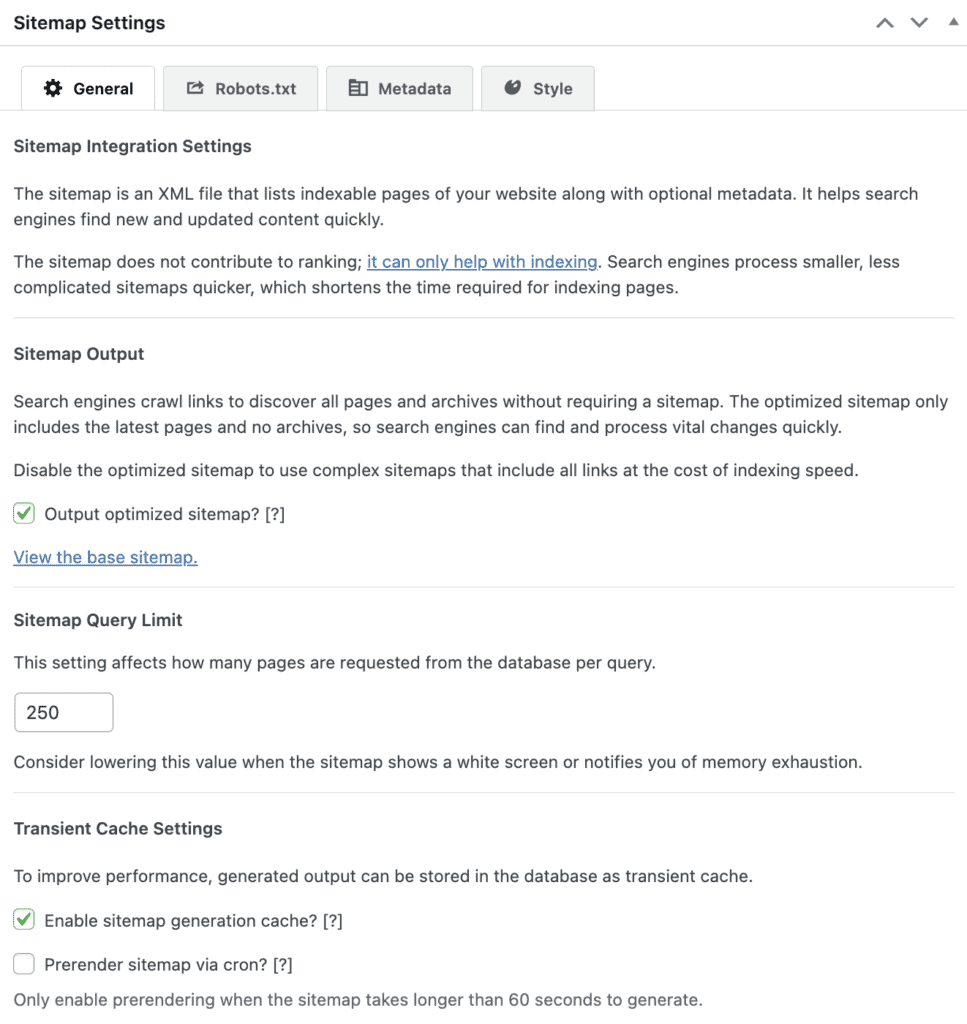
Rank Math gives you full control panel for your sitemap. You can decide exactly what to include or exclude. Need a separate sitemap for news articles or videos? It can do that. This granular control is fantastic for complex sites where you need to be very specific about what you want Google to see.

VII. Redirects
Ever clicked a link and landed on a 404 Page Not Found error? It’s frustrating for users and bad for SEO. Redirections are the equivalent of a mail forwarding service, and how these plugins handle them is a big deal.
True to its nature, The SEO Framework keeps its core plugin clean. It unfortunately doesn’t include a redirection manager. It handles some basic, automated redirects behind the scenes, but if you need to manually redirect an old post to a new one, you’ll need a separate plugin or a paid extension.
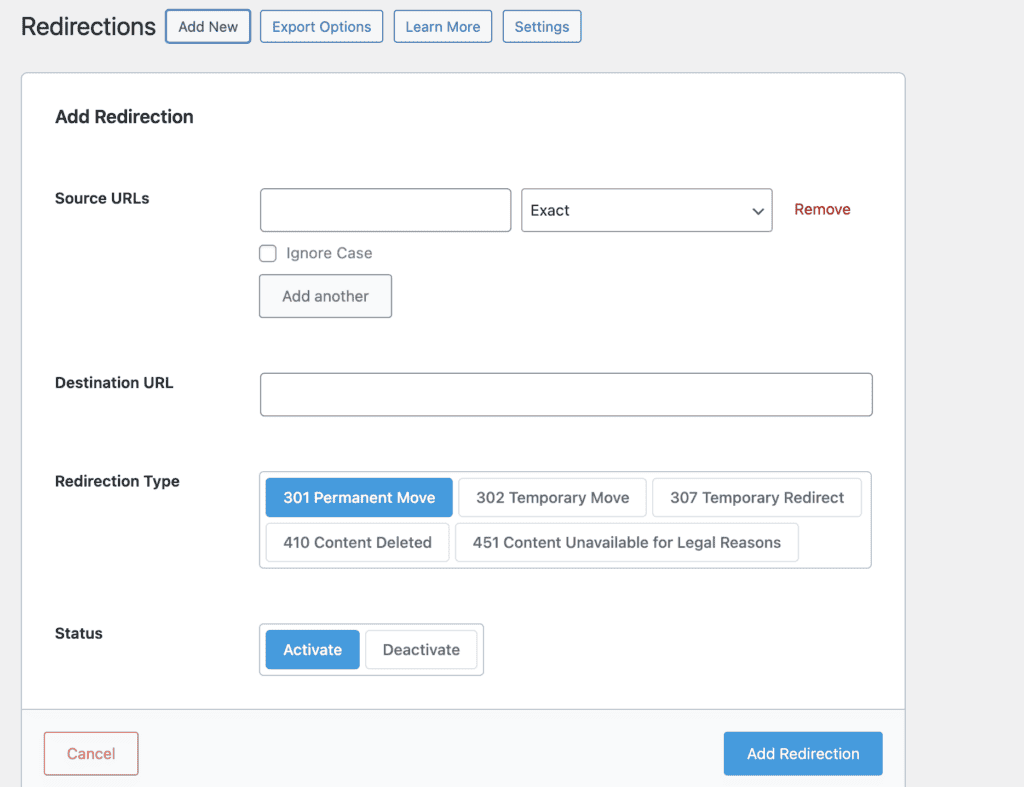
Rank Math takes a completely different path. It includes a full-featured Redirection Manager and a 404 Monitor right in the free version. This means you can easily spot broken links on your site and fix them on the spot. You can set up simple redirects, use advanced rules, and even schedule them to go live later.
Pricing
The SEO Framework has a strong, free core plugin. If you need more power, you subscribe to a premium plan. The Pro plan starts around $7 per month for a couple of sites, with Business and Agency plans scaling up from there. This approach lets you pay for the extra features you need without cluttering the base plugin.

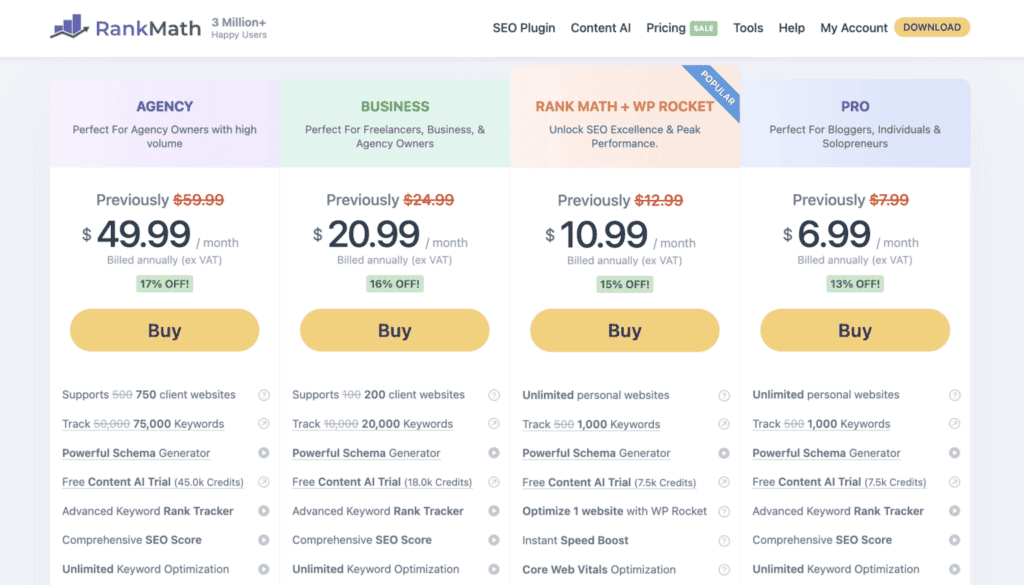
Rank Math is famous for having one of the most generous free versions available. Its Pro plan, which unlocks everything for unlimited personal websites, is incredibly popular and costs about $84 a year. It also offers Business and Agency plans for professionals managing client sites. It’s an all-in-one package deal.
Alternatives to Rank Math and SEO Framework:
While Rank Math and The SEO Framework are popular choices, there are several other excellent SEO plugins for WordPress you might consider:
1. Slim SEO:

- Overview: Ideal for users seeking a minimalist approach. It offers automatic configuration with essential SEO features, ensuring your site remains fast and efficient.
- Key features: Automated setup, basic schema markup, and no unnecessary settings.
2. All In One SEO (AIOSEO):
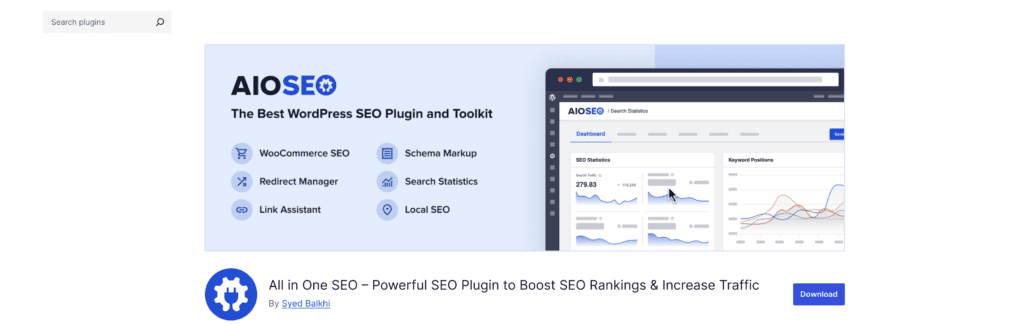
- Overview: A comprehensive SEO tool that caters to users at all levels, from beginners to advanced users, with its flexible settings and features.
- Key features: Advanced sitemaps, local SEO support, SEO audit checklist, and integration with social media.
3. Yoast SEO:

- Overview: Renowned for its ease of use, Yoast offers detailed content analysis but requires premium subscriptions for full access to features like advanced e-commerce SEO.
- Key features: Readability analysis, keyword optimization, and internal linking suggestions.
4. SEOPress:
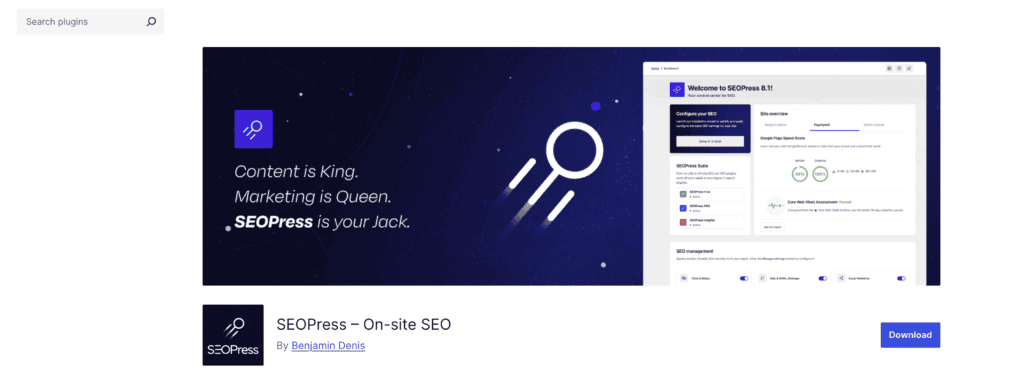
- Overview: Balances comprehensive features with customization options. It’s user-friendly and offers both free and pro versions.
- Key features: Integrated schema support, content analysis, and WooCommerce support.
These alternatives provide various functionalities and approaches to SEO, allowing you to choose one that aligns with your specific needs and preferences.
Parting thoughts
Ultimately, the choice between SEO Framework and Rank Math comes down to your core philosophy. For unmatched speed and a hands-off, automated approach that just works, The SEO Framework is unparalleled.
But if you want a powerful, all-in-one toolkit that gives you granular control over every feature, Rank Math is the undeniable winner.
FAQs
What is the difference between Rank Math and SEO framework?
The main difference is that Rank Math is an all-in-one, feature-rich toolkit, while The SEO Framework is a lightweight, automated plugin focused on speed. Rank Math offers guided analysis and numerous modules, whereas The SEO Framework handles core SEO essentials behind the scenes.
Is Rank Math good for SEO?
Yes, Rank Math is an excellent and powerful tool for SEO. It provides comprehensive features like advanced schema, a redirection manager, and detailed content analysis to help improve search rankings.
Which one is better Rank Math or Yoast SEO?
Many users consider Rank Math better because its free version includes premium features that Yoast SEO charges for. Rank Math offers multiple keyword analysis and a redirection manager for free, giving it a significant value advantage.
What is the difference between Rank Math SEO and all in one SEO?
The primary difference between Rank Math SEO and all in one SEO is their user interface and feature set; Rank Math integrates many advanced tools into its free plugin. All-in-One SEO also offers a comprehensive toolkit, but is often seen as having a slightly different workflow and setup process.
Is the SEO framework good?
Yes, The SEO Framework is an excellent plugin, especially for users who prioritize website speed and performance. It provides a fast, clean experience that handles fundamental SEO tasks automatically without overwhelming the user.
Is Rank Math SEO free?
Yes, Rank Math SEO has a very powerful free version that is robust enough for most websites. While it also offers a paid Pro version for advanced users, the free plugin includes a vast number of features.

Shivani enjoys crafting guides that make every aspect of using WordPress simple and easy to follow. When she's not glued to her laptop, you can find her buried in a good book or occasionally, painting.