Migrating your WordPress site often begins with a clear goal: a faster host, a new domain, or an escape from a failing server. But beneath the practical steps lies a common fear.
It’s not about the copy and paste process itself. It’s the nasty surprises that show up after you flip the switch, like a broken media library, checkout forms hitting the old server, or a database import that fails halfway.
This is precisely the chaos that WordPress migration plugins are designed to prevent.
Use BlogVault for critical sites, as it’s a complete management suite with migration, backups, and staging. For simpler moves, All-in-One WP Migration or Duplicator are fine, just verify their limits beforehand.
There isn’t one best migration plugin for all WordPress moves. A brochure site fails differently from a WooCommerce store. A multisite network has little in common with a developer staging workflow. I would choose by risk:
- For revenue sites or customer data: pick the workflow with backup, staging, restore, and a clear rollback path.
- For a small, mostly static site: an export/import tool may be enough.
- If you’re technical: a package installer or database migration workflow gives you more control.
- If you’re moving to a specific managed host: check whether the host will migrate it for you before you install anything.
My quick WordPress migration plugin picks
| Pick | Best for |
|---|---|
| BlogVault | Managed, lower-risk migrations for important sites |
| All-in-One WP Migration | Beginner-friendly export/import moves |
| Duplicator | Portable package and installer workflow |
| UpdraftPlus | Backup-first site owners |
| WP Migrate | Developers and agencies syncing environments |
| WPvivid | Budget backup, migration, and staging |
| Backup Migration | Simple backup/restore-style moves |
| Prime Mover | Multisite and subsite moves |
| Cloudways Migrator | Moving to Cloudways |
What matters in a migration plugin
Most WordPress migration problems are dull until they’re expensive.
A WordPress database can move while old URLs stay buried in serialized data. Files can copy while uploads from 2018 go missing. DNS can switch while some visitors still reach the old server. A plugin can technically “complete” the move and still leave you with forms, emails, cron jobs, payment callbacks, cache rules, or login sessions that need checking.
I don’t judge migration plugins only by how fast the first screen looks. The questions I care about are:
- Can you backup before touching anything?
- Can you test the migrated copy before traffic moves?
- Can you restore quickly if the destination is wrong?
- Does the plugin handle your site size without relying on fragile upload limits?
- Does it explicitly support your setup, especially multisite network or WooCommerce?
- Do you understand what is free and what becomes paid before you start?
How we evaluated these tools
We checked current WordPress.org records on July 22, 2026. The main signals were active installs, version history, update recency, ratings, and compatibility with current WordPress releases. We also reviewed official product pages where the migration model or plan boundary affected the recommendation.
For hands-on context, we used two clean WordPress installs. They ran WordPress 6.9.4. The server environment used PHP 8.3 with MySQL 8.0. The source site had seeded posts and pages. The destination site stayed clean for receiver and restore checks. We installed current plugin candidates from WordPress.org where available and checked the admin workflows that were visible in the free plugin screens.
The point was to see the shape of each workflow without pretending one test site proves every migration scenario. UpdraftPlus clearly exposed backup/restore controls, scheduling, remote storage, and migrate/clone areas in the admin. Backup Migration showed backup, restore, and staging controls. Those observations are useful, but a large media-heavy site or a busy store still needs its own test run; Our guide on WordPress staging plugins is useful if staging is the missing part of your workflow.
1. BlogVault
BlogVault is where I’d start when a bad migration would have real consequences.
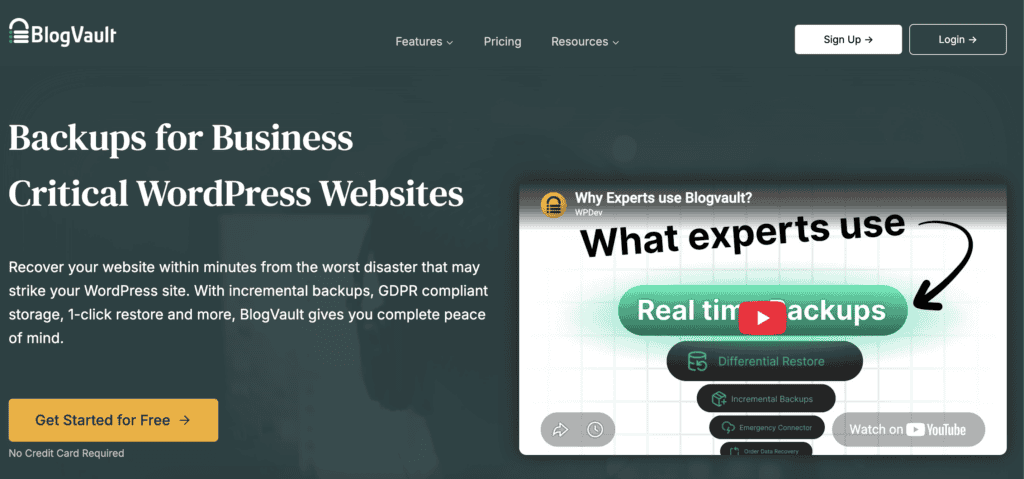
That includes WooCommerce store migrations, membership sites, agency client sites, and any business site where downtime becomes a real conversation. A small personal site probably doesn’t need a managed migration product. An important site needs a calmer failure plan than “try the import again.”
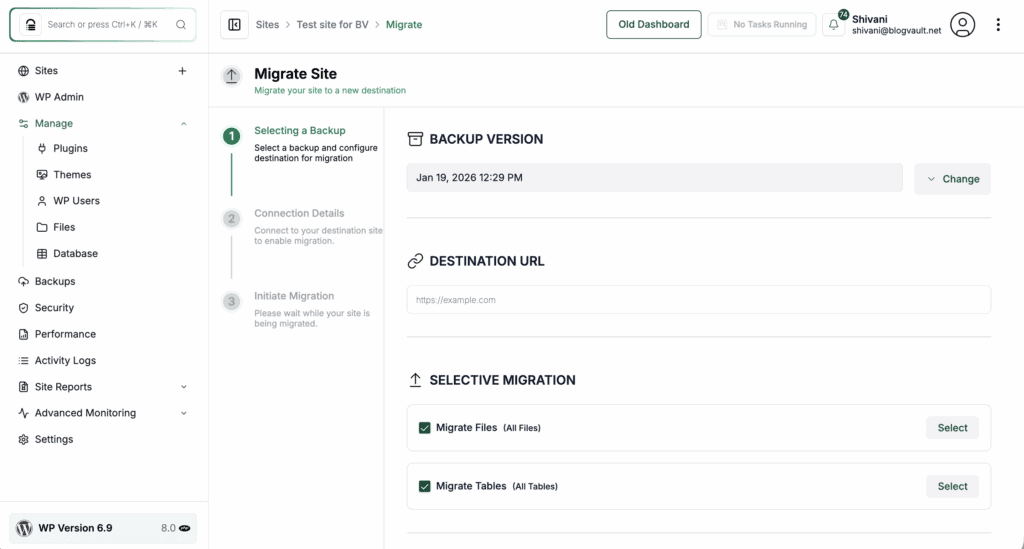
BlogVault’s strength is the workflow around the move:
- Backup first: you have a known-good copy before changing the destination.
- Staging/testing: you can inspect the copy before visitors are sent there.
- Restore path: you aren’t treating migration as a one-way file transfer.
- Support context: the product is built around site protection, not just packaging files.
Choose BlogVault if you want the migration tied to backup, staging, and restore. It is also a natural fit when you need to create a WordPress staging site and inspect the copy before traffic moves. Skip it if you’re moving a tiny site once and only want a free export/import tool.
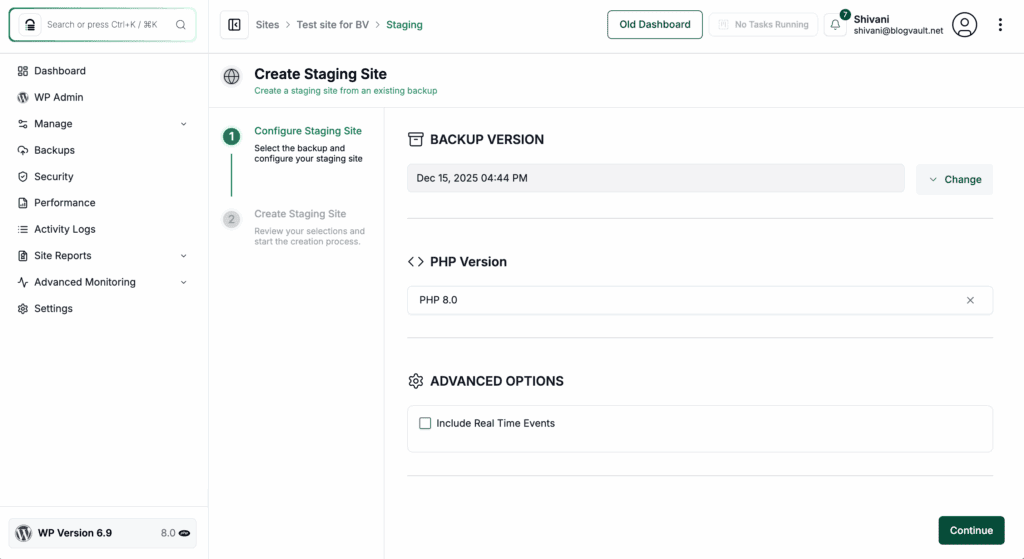
The tradeoff is simple enough: you pay for a more managed workflow. For a low-risk hobby site, that may be overkill. For a working business site, it’s usually the part that lets everyone sleep.
1. All-in-One WP Migration
All-in-One WP Migration is the plugin I’d hand to a beginner with a small site and a clean destination WordPress install.
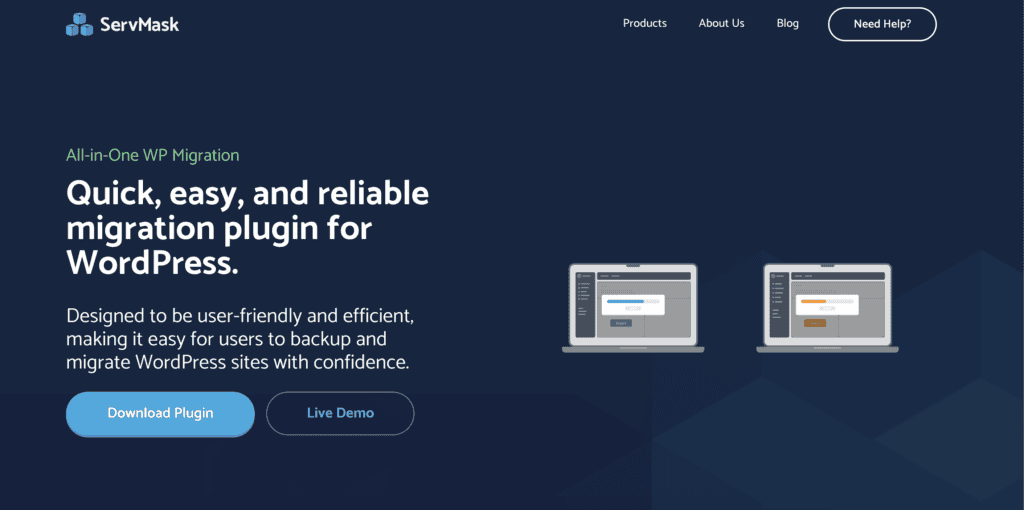
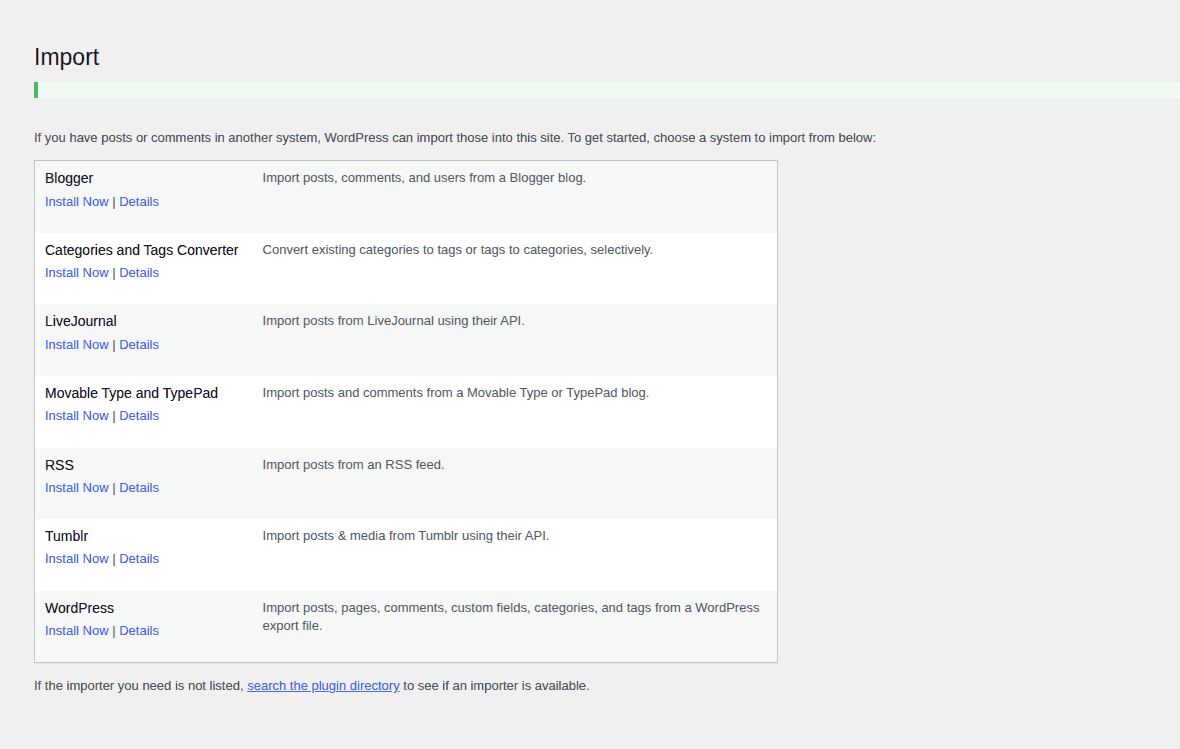
The workflow is easy to understand. Export from the old site. Import into the new one. Let the plugin package the pieces. For a simple site with a modest media library, that clarity matters. You don’t need to understand database dumps, search-and-replace, or server paths before you can start.
Where people get caught is size. A clean destination still has its own import context and limits to check before you assume the move will be simple.
Check these before you begin:
- The size of your export file
- The upload limit on the destination server
- Whether you need cloud storage extensions
- Whether multisite support is included in the version you’re using
- Whether the destination host blocks large imports or long-running PHP processes
Use All-in-One WP Migration when the site is small, the destination is clean, and the shortest guided path matters. Skip it when the site is large, business-critical, or already close to server limits.
3. Duplicator
Duplicator is the one I’d look at when you like the idea of moving a site as a package.
It creates a portable bundle and an installer-style workflow, which is useful for host moves, domain changes, and repeatable handoffs. You get more control than a simple import button, and that control is exactly why a lot of freelancers and site builders like it.
It also asks more from you. You’ll be closer to installer steps, database details, and destination setup. That doesn’t make it bad for beginners, but it does mean you should read the screens carefully instead of clicking through in a hurry.
I’d choose Duplicator if:
- A portable site package matters to you.
- You’re comfortable following installer steps.
- You may repeat this workflow for client or staging sites.
- You want more control than a beginner import tool gives you.
I’d skip it if the word “installer” already makes you nervous. BlogVault will feel safer for a high-risk site, and All-in-One WP Migration will feel simpler for a small one.
4. UpdraftPlus
UpdraftPlus makes sense when your first thought is, “I should have a backup before I do this.”
That’s the right instinct.
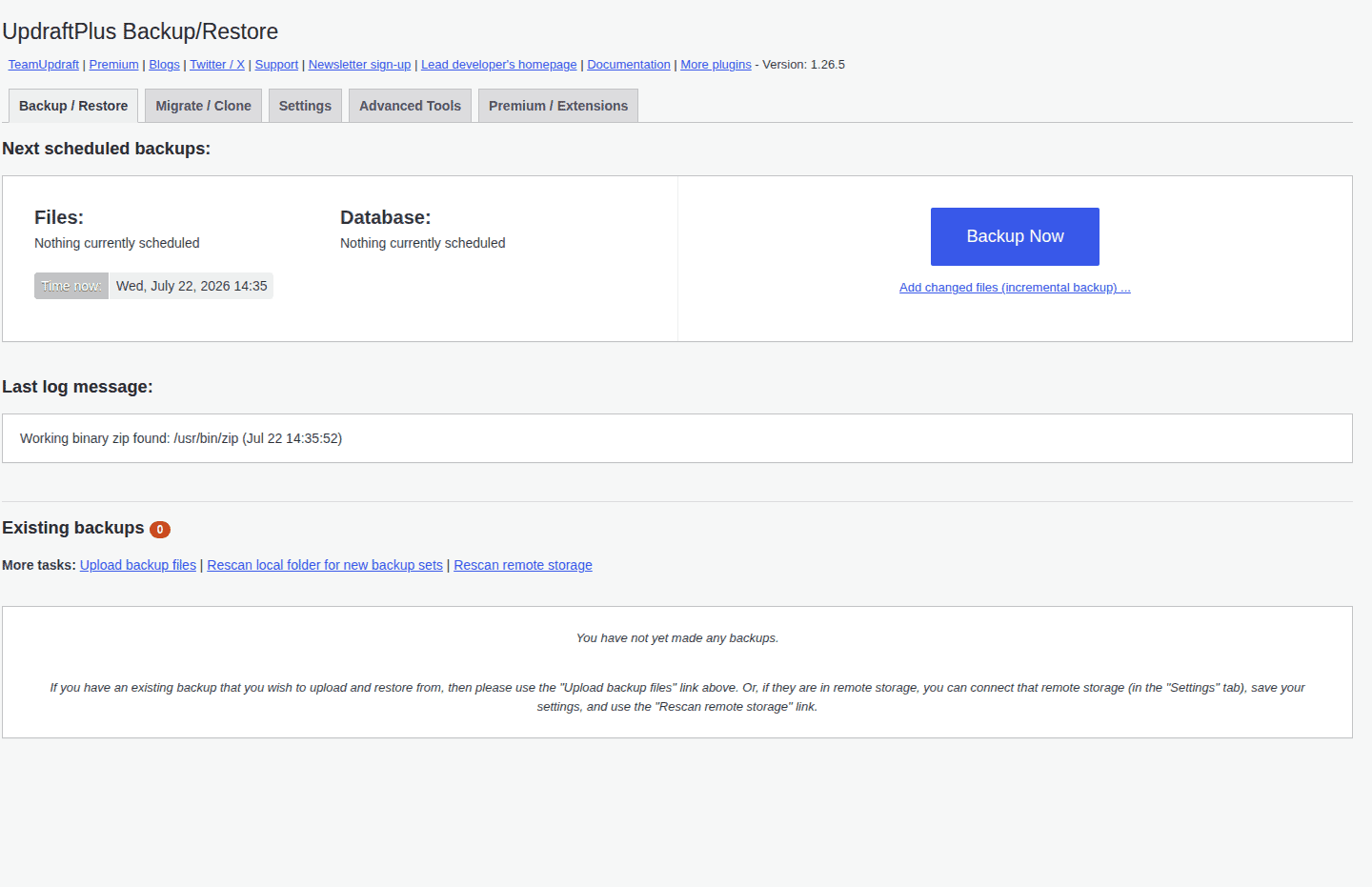
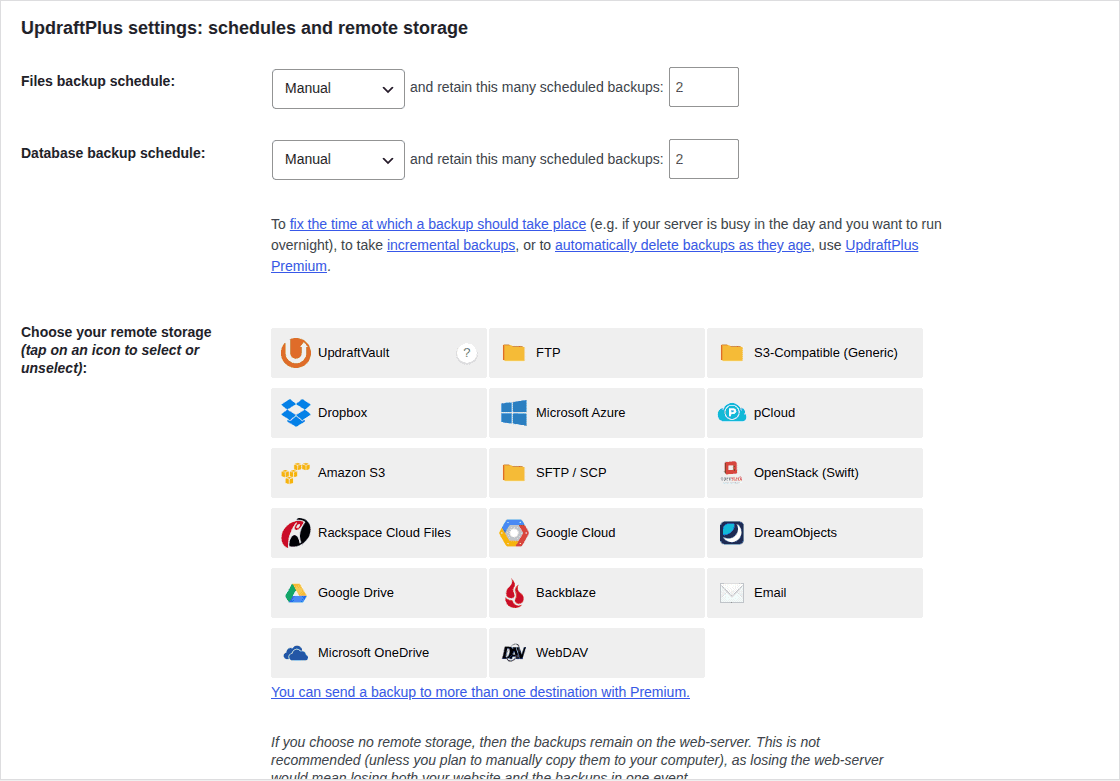
On our test site, the admin area put backup and restore controls beside scheduling, remote storage, and migrate/clone areas. The product treats migration as one piece of recovery, which is a healthier way to think about site moves.
Choose UpdraftPlus if it’s already your backup plugin, or if this migration is the moment you’re finally fixing your backup process. It’s a sensible fit when scheduled backups and remote storage need to continue after the migration is done.
The migrate and clone screen is worth checking before you commit, because it shows where the migration workflow crosses into connected or paid features.
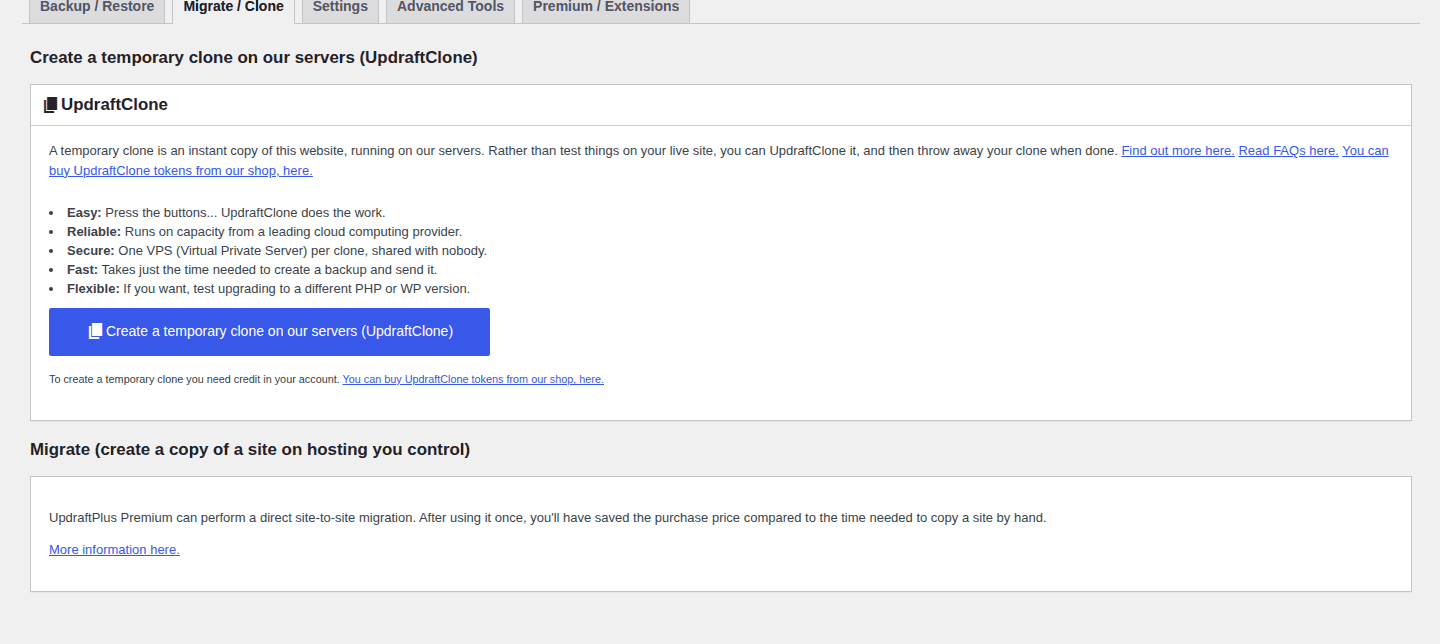
Skip it if you’re looking for the fastest free migration-only button. The smoother migration path can depend on paid features. Check the current UpdraftPlus Migrator or Premium boundary before you book the move.
5. WP Migrate
WP Migrate is for developers and agencies who know that the database is often the hard part.
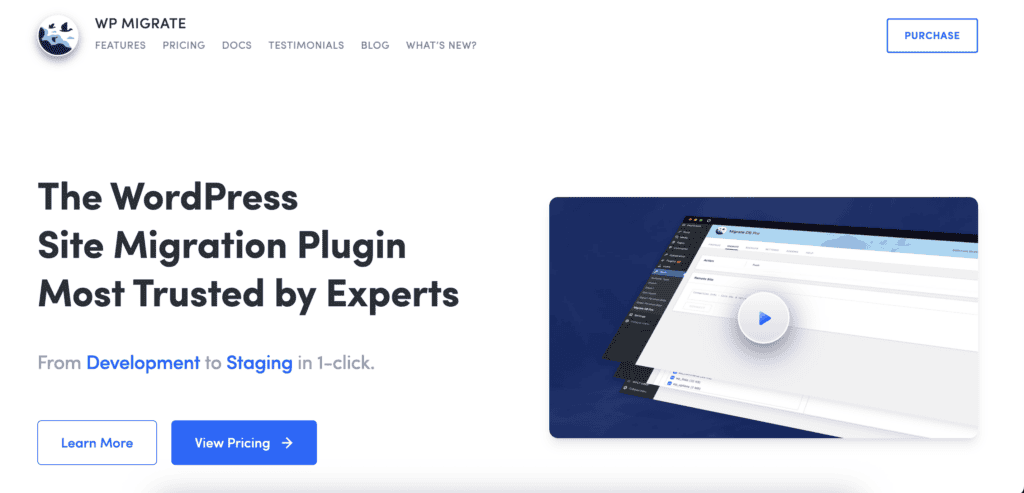
WordPress stores a lot of data in ways that punish sloppy find-and-replace work. URLs can live inside serialized arrays. Plugin settings can be sensitive to path changes. Media can require a separate move from the database. If you’re syncing local, staging, and production environments more than once, a blunt full-site import can become a messy habit.
WP Migrate is strongest for:
- Database-first migration work
- URL replacement with WordPress-aware handling
- Environment sync for local, staging, and production
- More control over what moves and what stays put
For a nervous site owner moving one small site, I’d start elsewhere. WP Migrate earns its place when you care about repeatability and precision more than hand-holding.
6. WPvivid
WPvivid is a practical budget option for readers who want backup, migration, restore, and staging features without starting with a fully managed service.
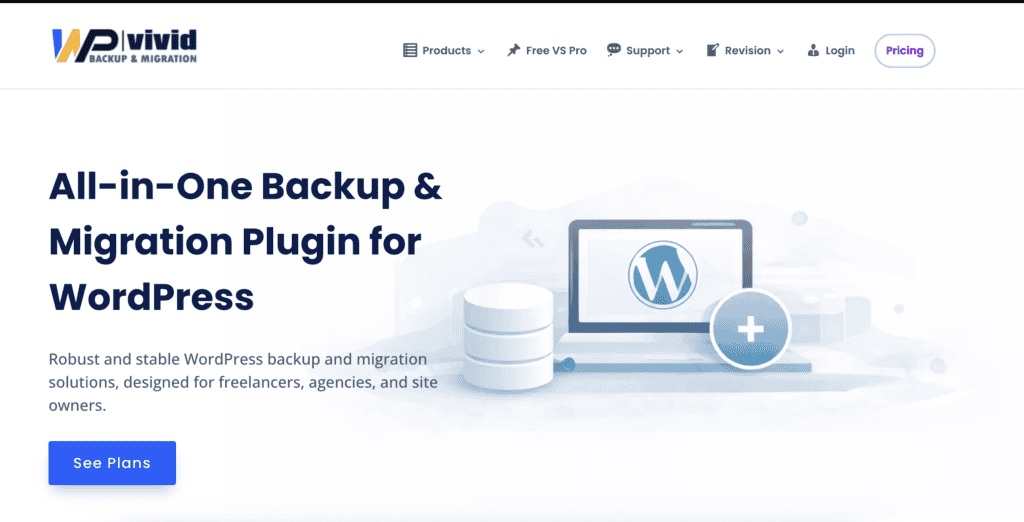
Plenty of people searching for the best WordPress migration plugin are actually asking, “Can I do this safely enough without paying right now?”
WPvivid is worth comparing for that job, but don’t decide from the feature list alone read our in depth review of WPvivid and decide whether it fits your site. Check:
- Site size limits
- Remote storage options
- Staging restrictions
- Scheduled backup rules
- Migration and restore behavior on your destination host
If the limits fit, WPvivid can be a useful budget choice. For stores or memberships, I’d still lean toward the workflow with the clearer recovery path. I’d make the same call for an unusually large site.
7. Backup Migration
Backup Migration is easy to understand from the first screen, and that counts for more than people admit.
In our test admin area, the main actions were obvious: create a backup, restore a backup, or start staging. That makes it a good candidate for simple backup/restore-style moves, especially for users who get lost in more technical dashboards.
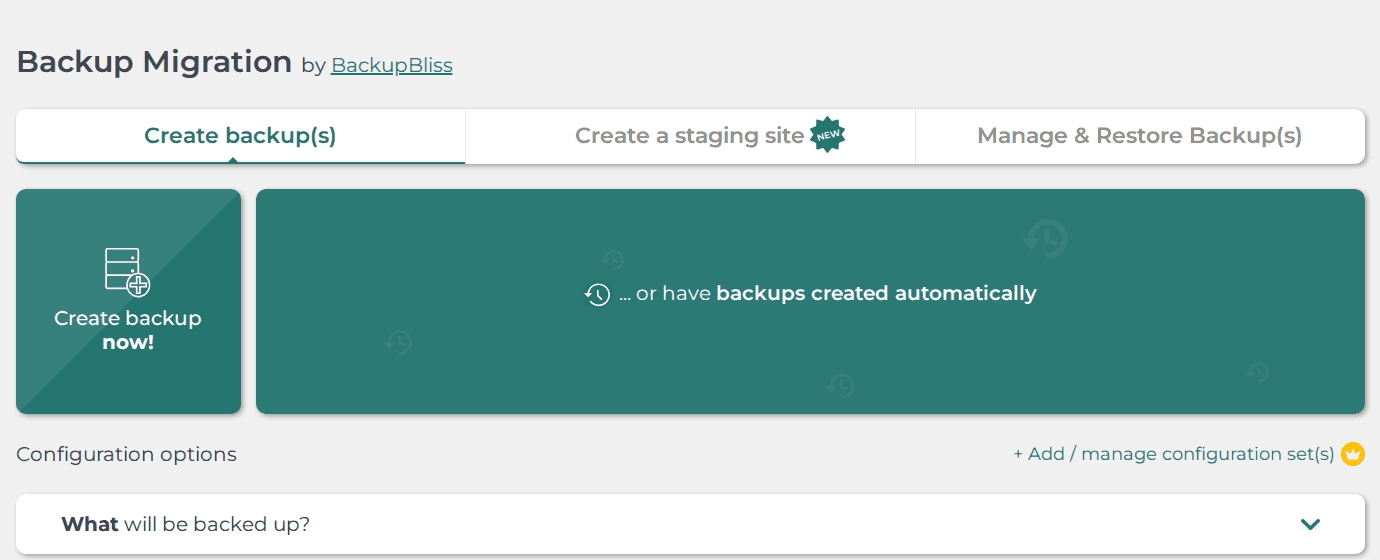
Choose it for a smaller site where clarity matters and the current size/storage limits fit. Skip it for complicated WooCommerce moves, developer environment sync, or large media-heavy sites unless you’ve checked the limits against the real site.
8. Prime Mover
Prime Mover is here for one reason: multisite.
If you’re moving one standard WordPress install, you probably don’t need to start with a multisite specialist. But if you need to migrate WordPress multisite, or move one subsite inside a network, generic migration advice can get dangerous quickly. Users and uploads are shared differently. Domains and site records have their own rules. A move that sounds simple on a single install can get strange quickly on a network.
Use Prime Mover as a specialist to evaluate when multisite is part of the job. Confirm whether you’re moving the whole network, one subsite, or a standalone site that needs to join a network. Then test that exact path on staging.
9. Cloudways Migrator
Cloudways Migrator is easy to place: use it if Cloudways is the destination.
Host-specific migration plugins can be excellent when you’re moving into that host’s environment. The host knows its own stack and cache layer. It also knows the access model and import path it expects. Outside that path, the plugin doesn’t belong on your shortlist.
If you’re moving to Cloudways, start here. If you’re not, skip it.
Free vs paid limits to check
Free migration plugins can work well. The expensive mistake is finding the limit halfway through the move.
- Archive size: Large uploads and media folders can create migration files that are too big to upload or unpack.
- Server limits: PHP timeouts, memory limits, disk space, and file upload limits can stop an import even when the plugin itself is fine.
- Cloud storage: Google Drive, Dropbox, S3, and similar storage are often paid add-ons.
- Multisite: Don’t assume support unless the plugin says it clearly for your exact move.
- Staging: A staging copy is especially valuable for stores and client sites, but it may be paid.
- Support: Paid support matters when the migration window is short and the site can’t sit broken overnight.
Before you migrate
Follow this migration checklist before changing DNS or cancelling the old host:
- Back up the source site first. Know how to backup your WordPress site, where the file will live, and how you would restore it.
- Ask the destination host about migration help. Their team may already have a safer path.
- Check plugin restrictions. Some managed hosts block or discourage specific migration tools.
- Compare WordPress, PHP, and database versions. Version mismatches can turn a clean copy into a broken site.
- Clean up abandoned plugins and themes. Fewer old files mean less to move and less security risk afterward.
- Measure the full site size. Uploads are usually what turn a simple migration into a large one.
- Avoid busy store windows. WooCommerce orders, subscriptions, and customer accounts can change while you’re moving.
- Lower DNS TTL if you can. It reduces how long some visitors keep reaching the old server after the switch.
- Keep old hosting active for a while. Don’t cancel it until the new site has been checked like a real visitor would use it.
- Remove installer files and backup archives. Migration files can expose sensitive data if they stay public.
- Scan and back up the finished site. Treat the migrated site as the new baseline.
Can you migrate without a plugin?
Yes. A manual migration usually means copying the files and moving the database yourself. You also update wp-config.php, replace old URLs, then point the domain to the new server.
That can be the right route for developers or server teams. It can also be miserable for a beginner because WordPress can be half-broken in ways that aren’t obvious from the homepage. Images may still load from the old domain. Forms may submit but not send email. Older posts may have broken media even though the front page looks fine.
Use a manual migration if you’re comfortable with server access, database work, and recovery. Choose a plugin or host migration service when you want a guided path.
Which plugin should you use?
Start with the site that is actually in front of you.
- For an important site: choose BlogVault for the backup, staging, migration, and restore workflow.
- For a small beginner move: choose All-in-One WP Migration if the export/import limits fit.
- For a portable package: choose Duplicator if you’re comfortable with installer steps.
- For a backup-first workflow: choose UpdraftPlus, especially if it’s already installed.
- For developer sync: choose WP Migrate.
- For a large free move: compare Migrate Guru first.
- For a budget backup/migration tool: check WPvivid or Backup Migration against your site size.
- For multisite: evaluate Prime Mover and test on staging.
- For Cloudways: use Cloudways Migrator.
If you’re still unsure, choose the plugin whose failure plan you understand best. That usually tells you more than the feature list.
FAQs
Which WordPress migration plugin is best overall?
For higher-risk site moves, BlogVault is the strongest pick because it combines migration with backup, staging, and restore. For small sites, All-in-One WP Migration or Duplicator may be enough.
Which free WordPress migration plugin should I try?
For small sites, All-in-One WP Migration or Duplicator Lite can work well if the limits fit. For larger free moves, compare Migrate Guru, WPvivid, and Backup Migration against your site size and destination access.
Are WordPress migration plugins safe?
Yes, if you back up first and choose a plugin that fits your site. Problems usually start when a large store, multisite network, or media-heavy site is treated like a small blog.
Do migration plugins move files and database content?
Most full-site migration plugins move both. Files include themes, plugins, and uploads. The database holds content and settings. It also holds users, URLs, and store records.
What should I use for WooCommerce?
Use a backup-first or managed workflow such as BlogVault, especially if you need to back up a WooCommerce site without losing orders, and plan the move during a quiet order window. Test the copy on a WooCommerce staging site before sending visitors to the new site. After migration, test checkout, payment callbacks, customer accounts, and recent orders. Then check product pages and emails.
Conclusion
For a small personal site, a simple export/import tool can be enough. On a working business site, the safer choice is the workflow with backup, staging, restore, and room to test before traffic moves. That’s why I’d start with BlogVault for important sites, then use All-in-One WP Migration or Duplicator for smaller moves where the limits are clear.
Whatever you choose, don’t rush the boring parts. Back up first and keep the old host available. When you’re ready to migrate your WordPress site, test checkout or lead forms, clear cache if changed pages are not showing, then remove migration files when you’re done. AirLift’s guide to clearing WordPress cache is a helpful post-migration check. That’s what turns a WordPress migration from a hopeful copy job into a controlled move.

Shivani enjoys crafting guides that make every aspect of using WordPress simple and easy to follow. When she's not glued to her laptop, you can find her buried in a good book or occasionally, painting.